
Looking back over the months of research for both Dancing Backwards in High Heels Parts One and Two, a distinct vocabulary ideology repeatedly pops up. Words and phrases like artistic family, parental encouragement, financial hardship, financial independence, prevail, obstacles, and perseverance among others. There is a common thread running through not only the lives of determined women but also across cultures and time periods. The earliest artist’s lifetime researched so far is early 1500, and the most recent is just after 1900. This has been heartening to see that over a span of 500 years of history, women artists have a sustained resilience and desire to follow their bliss no matter the hardships.
Deep Artistic Roots
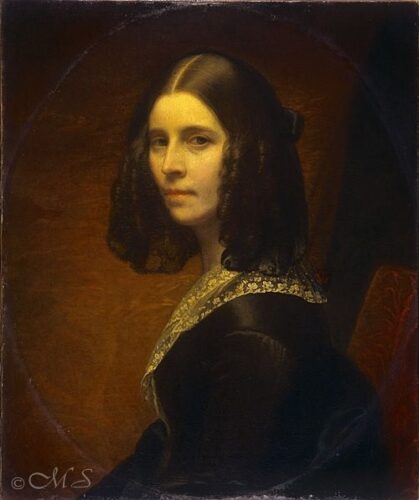
The life of French artist Sophie Fremiet reflects these qualities also. Sophie was born in 1797 in Dijon into an artistic family most notably her father, a patron of the arts, was the assistant curator of the city’s museum. Sophie’s mother, Therese Sophie Monnier, came from a long line of artists and influential people. Sophie was a precocious girl with an artistic flair, but societal mores forbade women from attending studio classes with male students or male models. She had to resort to studying in her instructor’s studio.
Political Upheaval
Here the Fremiet family’s destiny took a dramatic turn in 1815 when political events forced them to leave Dijon after their property was confiscated and sold. They settled in Brussels. Sophie followed the family where she began tutelage with Jacques Louis David and was thoroughly entranced by the technique. Sophie became acquainted with several other young women artists who were also exiled because of the political situation. Portraiture became her favored subject featuring female figures.
A Devastating Fire
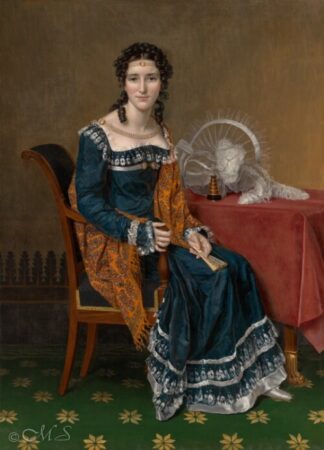
In 1821 at the age 24, Sophie married her father’s former protégé, Francois Rude. They had just one child, Amedee, who died at age eight. Sophie thrived in Brussels while receiving commissions that she executed in her neoclassical style. Several were completed for the royal palace at Tervuren. The paintings and the palace were all lost in a subsequent fire. Later she did many pieces with religious and mythological themes. One such painting was awarded a gold medal in 1824 and recently in 2022 sold at Sotheby’s for $685,500. in US dollars.
After the political climate changed, the Fremiet family returned to Paris where Sophie exhibited in her first Paris Salon. Her work was well received and for the next four decades she continued to produce portraits, narrative works, historical themes, and romantic subjects. In her later years, she taught students, mostly young women and girls. The beloved teacher was honored when her students used the signature, “eleve de Mme Rude,” (student of Mrs. Rude).
Respect in Her Lifetime
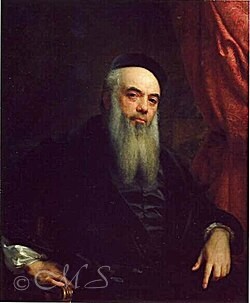
Sophie was blessed to come from an artistic family but like so many others she faced hardships including a devastating fire and political upheaval. Yet, she marched on through it all. Sophie was finally given the respect she deserved after her death 1867. The Musée des beaux-arts in Dijon purchased and exhibited her work during her lifetime.
Dancing Backwards Part ll Coming Soon, Bronze Coast Gallery, Cannon Beach, OR, October 11, 2025
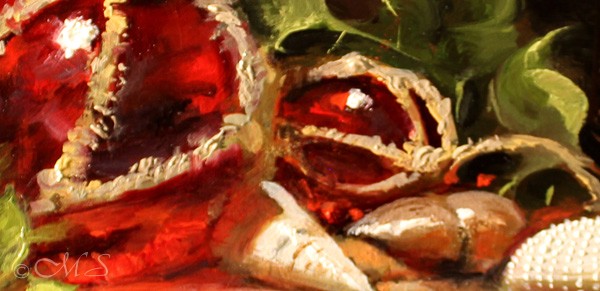
I can’t wait to see the whole painting, the red is amazing! Enjoy your show!
Hi Holly, I’ll be posting the finished paintings today along with the source painting from each featured artist. So, stay tuned!